

2026 Garden & Landscaping Trends
2026 Garden & Landscaping Trends
A new year marks a fresh start and new beginnings, the same can be said about your garden. If you are thinking about revamping your gardening or creating your dream outdoor space this new year, then we have some ideas for you.
The changing season comes with new garden trends and we have created a list of some designs that will, hopefully, help you create a truly fantastic outdoor space.
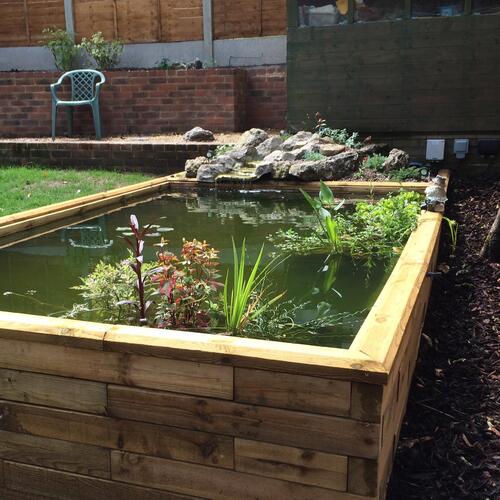
1. Climate Conscious Gardening
There are many ways you can design your garden to ensure that you are doing your part in the garden. Easy steps such as a small wildlife pond or a gravel garden can help promote a more eco-conscious garden. To get you started, read through our guide on how to create an easy pond using Wooden Sleepers.
Wildlife Pond with Sleepers
- Lay out and secure the first layer of sleepers
Begin by arranging your sleepers in a rectangular shape, placing the narrowest sides on the ground with the wider sides facing upward. Use a spirit level to ensure everything is perfectly even and not leaning.
Once positioned, fix the corners together using two 150mm timber screws per corner. Make sure around 50mm of each screw goes into the adjoining sleeper to create a solid and secure joint.
- Build up the sides with additional layers
With your first layer firmly in place, you can now add the second layer. Lay the sleepers one by one on top of the frame, making sure to overlap the corner joins—similar to brickwork—for extra strength and stability.
Start by forming one corner and screwing it together before completing the rest of the rectangular shape. Then, use additional 150mm timber screws to secure the upper layer to the lower one, drilling from the top for the strongest hold.
Repeat this process and continue stacking layers until your pond reaches your desired depth.
- Install the pond liner
To keep the water contained, fix a pond liner securely to the inside of your sleepers. If any excess liner folds over the top edges, you can neatly hide it by adding another layer of sleepers around the top to create a clean, finished look.
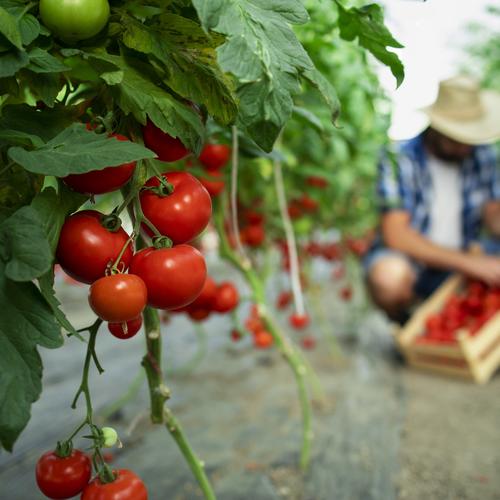
2. Purpose-Drive Gardens
The term 'purpose-driven gardening' refers to the idea that every aspect of your garden has a specific use or need that it fulfils. If you are the type of gardener that needs structure and a system to maintain your outdoor space then this might the style for you.
To create an effective garden in this style you will need to figure out what you want from your outdoor space and work from there. Some popular areas are a dining area, a zen area, an allotment area; and flowers and plants area. Creating these segments means you are making the most of the space you have.
In order to make your life a little easier, we have created a handy manual which explains how to create a food forest within your garden.
Food Forest In Your Garden
- Site Selection
Choose a location that receives plenty of sunlight, has good natural drainage, and offers easy access to water.
- Design & Planning
Decide on the overall size and shape of your food forest.
Research native and climate-appropriate plants and trees that will thrive in your soil type.
Create a detailed layout, taking into account sunlight exposure, water requirements, and the growth habits of each species.
Plan for all the layers of a food forest: canopy trees, understory trees, shrubs, herbaceous plants, ground covers, and climbers.

- Soil Preparation
Test your soil to understand its pH and nutrient levels.
Improve fertility and structure by adding organic matter such as compost, mulch, or well-aged manure.
- Plant Selection
Choose a diverse mix of food-producing plants that suit your climate and soil.
Select varieties with staggered harvest times for a year-round supply.
Include nitrogen-fixing species like legumes to naturally enrich the soil.
- Planting
Follow your design plan carefully, allowing appropriate spacing for each plant to grow.
Water new trees and plants consistently while they establish strong root systems.
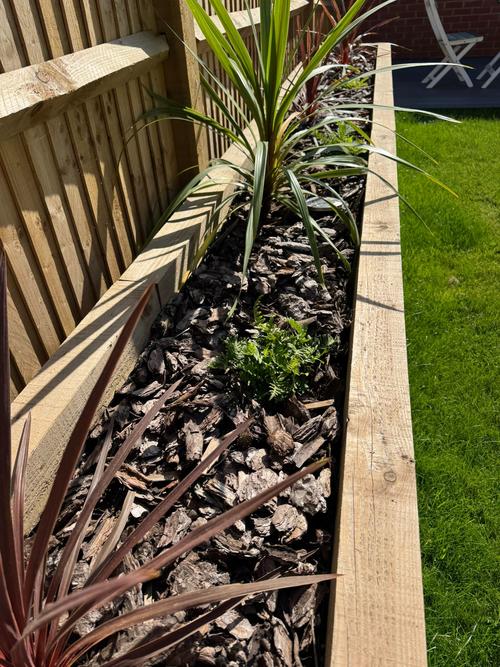
- Mulching & Mulch Care
Apply a generous layer of mulch to suppress weeds, retain soil moisture, and feed the soil as it breaks down.
Top up mulch periodically to maintain an even thickness.
- Maintenance
Prune trees and shrubs as needed to shape them and encourage healthy growth.
Manage pests and diseases using organic strategies such as beneficial insects, companion planting, and natural sprays.
Monitor moisture levels and water plants during dry spells.
Continue adding organic matter to improve soil health over time.
- Succession Planting
Plan ahead for succession planting so your food forest provides a steady harvest.
Replace spent plants with new ones to maintain productivity and species diversity.
- Observation & Adaptation
Watch how your food forest develops and make adjustments when necessary.
Pay attention to plant interactions and how they respond to their environment.
- Enjoy & Share
Harvest and savour the fresh produce your food forest provides.
Share extra crops and your growing knowledge with neighbours, friends, and family to foster community.
Remember: establishing a food forest is a long-term, evolving project that requires patience, observation, and care.
Over time, your efforts will create a resilient, abundant ecosystem that supports both food production and biodiversity.
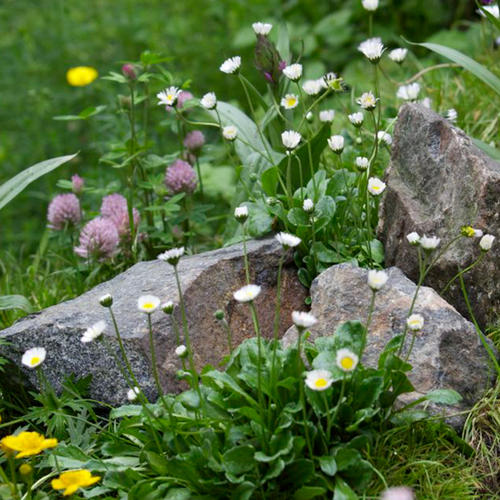
3. Lemonading
The term 'lemonading' might sound a little misleading at first and might make you think 'oh, does this have something to do with growing lemons?'
This new term highlights the benefits of going with the flow when planting, even when some things don't go to plan.
More people are viewing their gardens as spaces for wellbeing and personal expression. In times of uncertainty, the garden has become a grounding, comforting escape just steps from home.
Trends like chaos gardening—simply scattering seeds and letting nature take the lead—or replacing traditional lawns with clover highlight this more playful, relaxed approach.
Younger gardeners are particularly shaping this movement. Many are embracing low-maintenance plants, clever DIY solutions, and plant swaps, favouring bold, quirky, and personality-led designs over perfectly manicured borders.
Going with this theme, we wanted to show you how to 're-wild' your garden, one example of lemonading.
Re-Wilding Your Garden
- Use Mulch Instead of Digging
Organic mulch—like the high-quality options available at Stone Zone—is an excellent natural fertiliser. Since this project avoids artificial and chemical additives, mulch becomes the perfect choice. It enriches the soil by absorbing nutrients from the environment and helps regulate soil temperature during hot or cold spells.
- Build a Pond
Water features naturally attract wildlife, making a pond a simple and effective addition to any rewilding project. It doesn’t need to be elaborate or costly; even a small pond can create a thriving habitat. If you’re interested, we have a step-by-step guide on building your own pond. Once installed, ponds require very little maintenance—just occasional top-ups—while offering birds and small animals a much-needed water source, especially in summer.
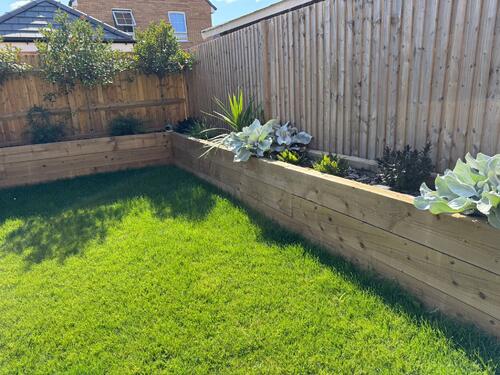
- Let the Grass Grow
One of the easiest ways to rewild your garden is to stop mowing and let the grass grow freely—no trimming, no chemicals, and no fertilisers. Longer grass provides valuable shelter for insects and small creatures, while giving your garden a more natural, rustic appearance. Avoid chemical treatments entirely, as they can harm the very wildlife you're trying to encourage.
- Plant Wildlife-Friendly Species
Food sources are key to attracting wildlife. Plant a variety of species that offer nectar, pollen, seeds, and berries throughout the year. This ensures consistent nourishment for visiting creatures and helps establish a small, self-sustaining ecosystem that encourages more plants, flowers, and wildlife to thrive.
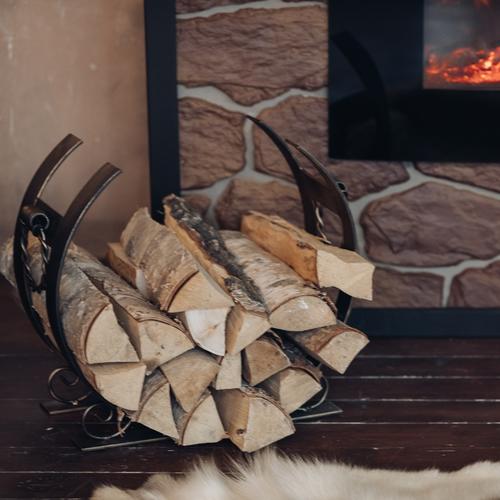
- Create a Log Pile
A simple log pile offers ideal nesting spaces for insects, thanks to the small gaps and crevices between the logs. It's also a budget-friendly addition to your garden. Our kiln-dried logs at Stone Zone are durable and cost-effective—perfect for building a natural insect habitat.
- Add Rockery for Nocturnal Shelter
Stone Zone offers a wide variety of Decorative Stones, including Rockery and Boulders that work beautifully in natural garden designs. These materials can provide essential shelter for nocturnal animals seeking shade and protection. Rockery features are an affordable and attractive way to add texture and visual interest to your garden while supporting local wildlife at the same time.

Pantone Colour of the Year 2026
Finally, we wanted to highlight the 2026 colour of the year, 'Cloud Dancer'. An extremely subtle, off-white colour highlighting tranquillity and calm spaces - which is what many of us use our gardens and outdoor space for.
We have a range of products that we think are an exact match to the Cloud Dancer shade if that is the route you want to go down. Our Spanish White Pebbles, Sienna Quartz White Paving, Sienna Everest Pearl and Polar White Chippings are just some that exude the subtly and calmness of the Cloud Dancer.
If you want to implement the colour of the year in your garden, we have many products that would complement or contrast with the shade.
Complementary
- Decorative Stones such as the Devon Pink, Staffordshire Pink or Flamingo to add some blush and subtle colouring
- The quiet yellow/gold shades of the Tuscan Sunrise, Spanish Gold or Apricot Pebbles are also excellent choices to go with the white.
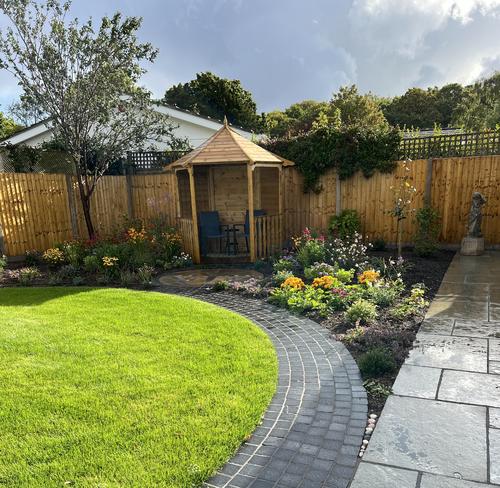
Contrast
- A border made of Anthracite Cobble setts would complement off-white paving slabs. Same goes for our Carbon Limestone Slim setts due to the darker shade.
- Going with black colour theme, the Black basalt chippings or Black slate stones are also a great choice for borders or feature areas. These stones will really pop when against white or off-white paving slabs.